Two Weeks in Kenya: Safari and Beach Itinerary
Some links may earn us a commission, at no extra cost to you. How we’re funded ↗
This Two Weeks in Kenya: Safari and Beach Itinerary combines wildlife, varied landscapes and a relaxed Indian Ocean finish. Spend your first week travelling from Nairobi through the Maasai Mara, Lake Naivasha and Amboseli, then fly or take the train towards the coast for five unhurried beach days.
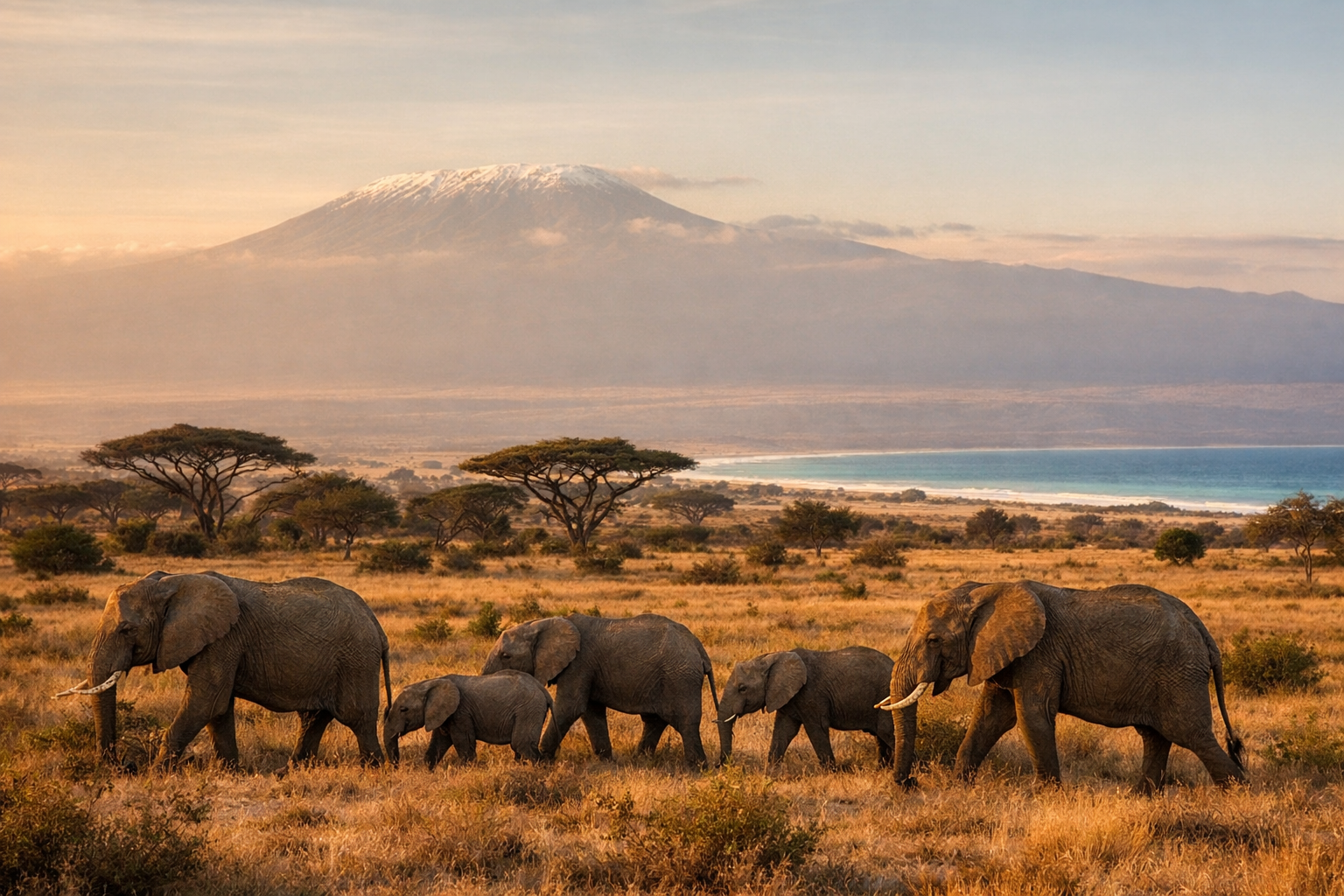
A two-week Kenya journey can pair classic safari landscapes with a relaxed Indian Ocean beach stay.
A practical 14-day plan is: day 1 in Nairobi; days 2–4 in the Maasai Mara; day 5 at Lake Naivasha; days 6–7 in Amboseli; and day 8 returning to Nairobi before continuing to the coast. Use days 9–13 for Diani, Watamu or another coastal base, then depart on day 14. Keeping the safari circuit compact reduces long road transfers and leaves enough time for game drives, a boat trip or walking activity.
Book major transfers before departure, but avoid filling every day with excursions. Early safari starts and bumpy roads can be tiring, so slower beach days are valuable. For maps, accommodation messages and transport updates, arrange a Safari eSIM for Kenya before travelling and download essential booking details for offline access.
Is 14 Days Enough for a Kenya Safari and Beach Holiday?
Yes. Fourteen days is enough for a rewarding Kenya safari and beach holiday, provided you focus on a few well-matched destinations. Rather than rushing through several parks, choose one main safari circuit and allow at least four nights on the coast. Remember that arrival and departure days are often partly lost to flights, transfers and hotel check-ins.
A balanced 14-day trip could follow this structure:
Days 1–2: Arrive in Nairobi, rest and handle any final preparations.
Days 3–6: Spend four days in the Maasai Mara, Amboseli or another primary safari area.
Day 7: Travel to the coast, ideally by a domestic flight to reduce time on the road.
Days 8–12: Relax in Diani, Watamu, Malindi or Mombasa, with time for swimming and optional excursions.
Days 13–14: Return to Nairobi and keep a buffer before your international departure.
If you add several distant reserves, the holiday can become transfer-heavy. Travellers wanting both the Mara and Amboseli should reduce their time in Nairobi or accept a shorter beach stay. Before setting off, organise practical essentials for moving between airports, lodges and coastal accommodation, including offline booking details and a reliable way to contact drivers.
The Complete 14-Day Kenya Itinerary at a Glance
This route combines Kenya’s best-known wildlife areas with five relaxed nights on the coast. It uses Nairobi as the arrival hub, then links the Masai Mara, Lake Naivasha and Amboseli before a flight to Diani Beach.
Day 1: Arrive in Nairobi, check in and recover from the journey.
Days 2–4: Travel to the Masai Mara for three days of game drives and wildlife viewing.
Day 5: Continue to Lake Naivasha for a boat trip, lakeside walk or quiet afternoon.
Days 6–7: Explore Amboseli, known for elephant sightings and views towards Mount Kilimanjaro when skies are clear.
Day 8: Return towards Nairobi and fly to the coast.
Days 9–13: Stay at Diani Beach, with time for swimming, snorkelling, a dhow excursion or an unhurried beach day.
Day 14: Depart from Mombasa or connect through Nairobi for your international flight.
Book the longest transfers in advance and avoid scheduling a tight international connection after a road journey. Before arrival, save contact details for drivers and accommodation, download essential maps and keep flight confirmations available offline.
Days 1–2: Arrive in Nairobi and Prepare for Your Safari
Use Day 1 to land, clear immigration and recover from the journey. Arrange an airport transfer in advance and book your first night in Nairobi rather than attempting to drive straight to a reserve. Traffic can make journey times unpredictable, so keep the day flexible. After checking in, withdraw or exchange a small amount of Kenyan shillings for tips and minor purchases, then have an early night.
Make Day 2 practical but unhurried. Confirm the next morning’s pickup time, meeting point and emergency contact with your safari operator. Ask about luggage limits, particularly if your route includes a light-aircraft flight. Repack into a soft-sided bag and keep travel documents, medication, chargers and valuables in your hand luggage.
Prepare for hot afternoons, cool early-morning game drives and dusty roads. Pack light layers, a sun hat, sunscreen, closed shoes, binoculars and a reusable water bottle. While the hotel Wi-Fi is reliable, download offline maps, accommodation details and insurance documents, and test your chosen mobile connection. If time remains, enjoy a relaxed meal or a nearby attraction rather than filling the day with cross-city travel.
Days 3–8: Explore the Maasai Mara and Amboseli on Safari
Day 3: Travel from Nairobi to the Maasai Mara by road or scheduled flight, then settle into your camp before an afternoon game drive. Days 4–5: Spend two full days exploring the reserve. Early-morning and late-afternoon drives generally avoid the hottest part of the day and give you time to search for lions, elephants, giraffes, cheetahs and other wildlife. Ask your guide about a picnic breakfast or lunch if you want to remain farther inside the reserve.
Day 6: Transfer towards Amboseli. The road journey is long and commonly routes through Nairobi, so travellers with a tighter budget should treat this as a transit day. Flying reduces road time but may require connections. Keep essentials accessible: water, sun protection, medication, binoculars and a warm layer for early starts.
Days 7–8: Take morning and afternoon drives in Amboseli, known for open plains, wetlands, elephant herds and views of Mount Kilimanjaro when cloud conditions cooperate. Connectivity can vary during drives, even if your lodge or camp has Wi-Fi, so save essential maps and contact details offline before setting out.
Days 9–13: Relax in Diani, Watamu or Mombasa
On Day 9, travel from your final safari stop to the coast, usually by connecting through Nairobi. Choose one base rather than changing hotels again. Diani suits travellers who want a broad sandy beach, resort facilities and easy access to boat trips. Watamu has a quieter atmosphere and is a good base for snorkelling, diving and visits to nearby marine and forest areas. Mombasa works well if you prefer an urban stay combining the beach with restaurants, markets and historic Old Town.
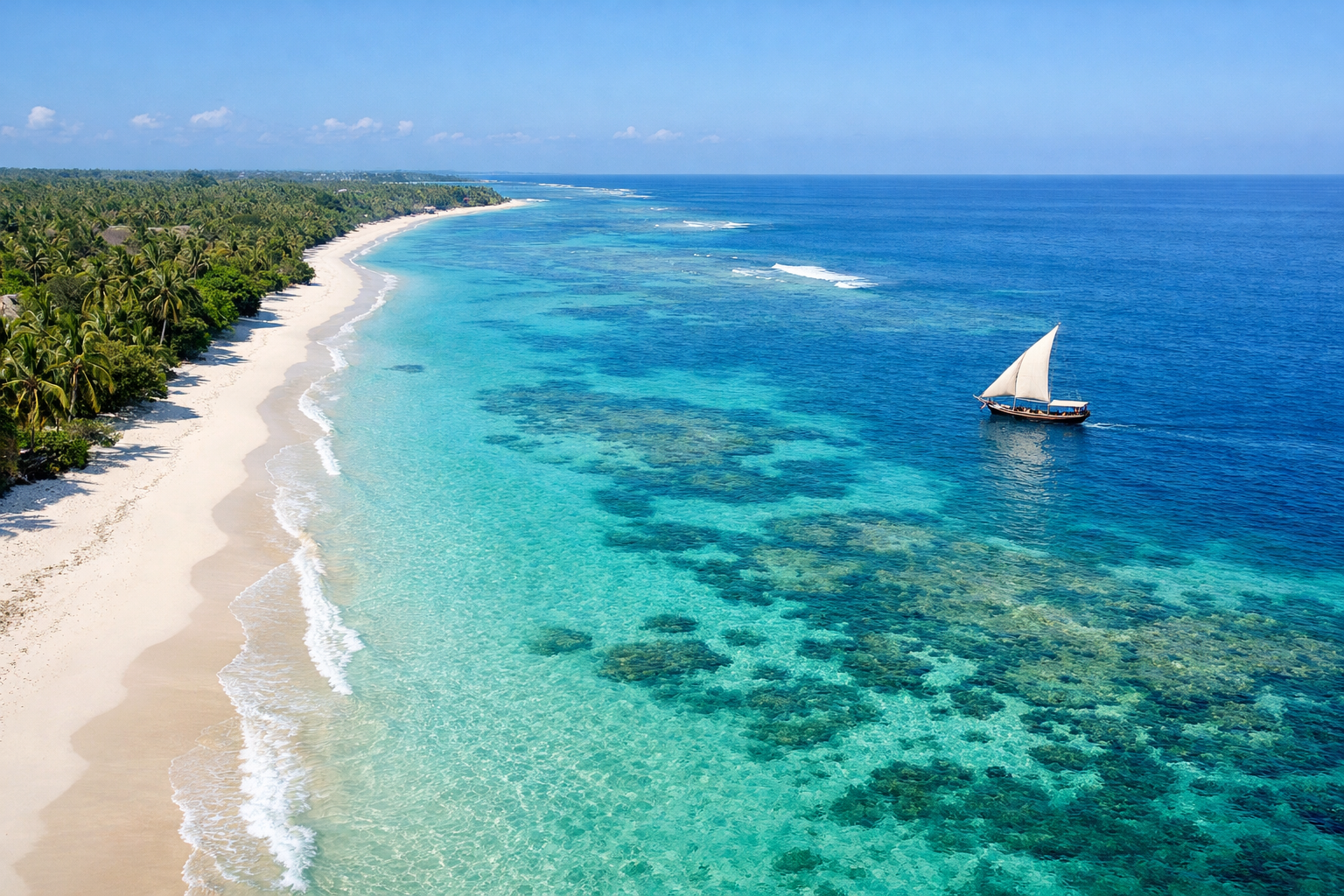
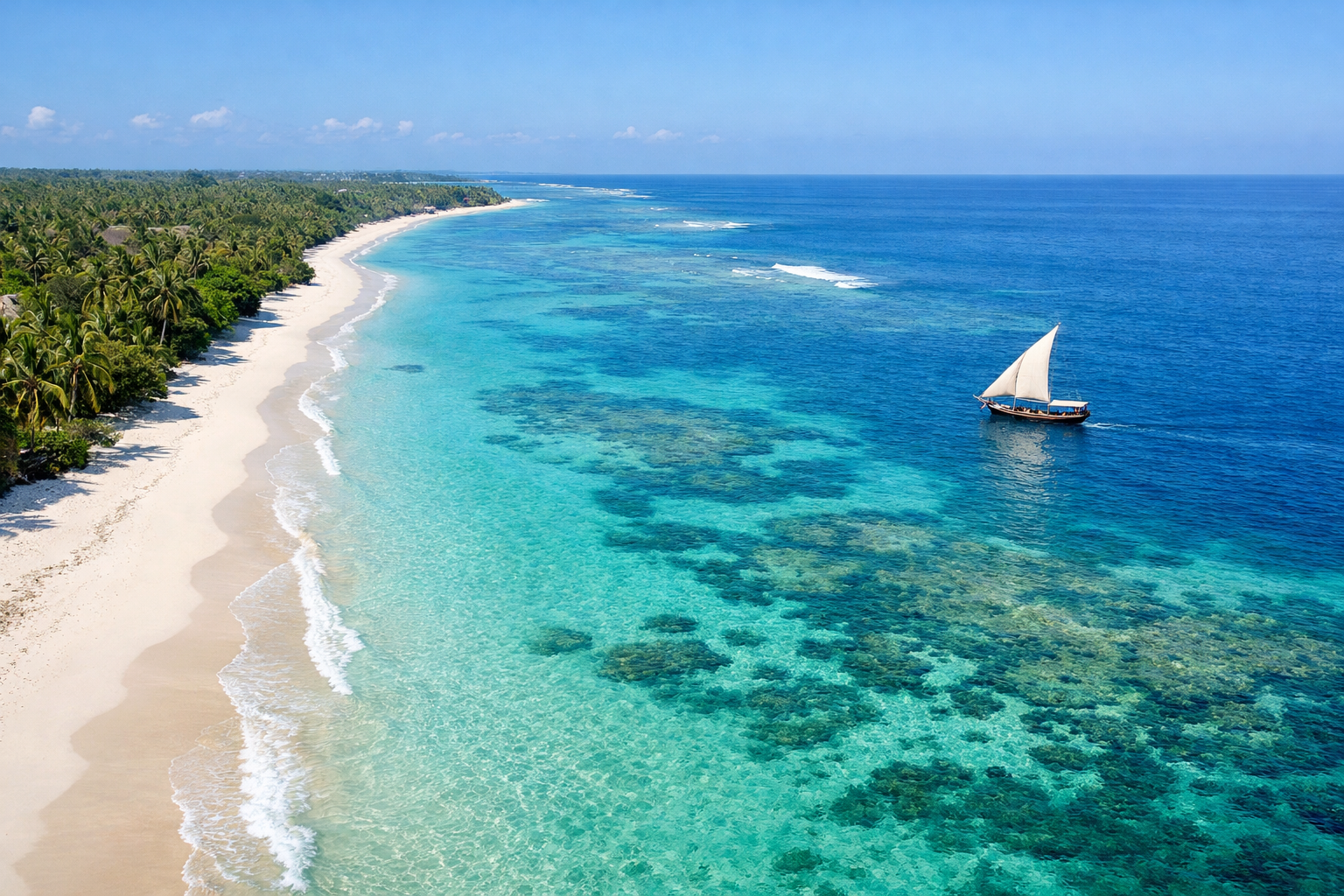
Choose one coastal base for the final five nights, leaving time for both water activities and unhurried beach days.
Keep Days 10–12 flexible. Plan water activities for the morning, when conditions may be calmer, then leave the afternoon for swimming, reading or a long lunch. Ask your hotel or a licensed local operator about tides and current sea conditions before booking snorkelling, diving or dolphin-watching trips. If you choose Mombasa, reserve half a day for Fort Jesus and Old Town rather than trying to cover the city between beach activities.
Use Day 13 as a buffer before departure: enjoy a final morning by the ocean, pack and confirm your airport transfer. Complete flight check-in when a connection is available, save the details offline and keep your accommodation and driver contact numbers accessible.
How Should You Travel Between Nairobi, the Parks and the Coast?
Use a private safari vehicle for the park section. Your driver-guide can collect you in Nairobi, handle game-drive routes and continue between the Maasai Mara and Amboseli without repeated vehicle changes. Road travel also reveals more of the country, but some transfers take most of the day. If time matters more than budget, scheduled bush flights connect Nairobi with Maasai Mara airstrips; luggage allowances are usually tighter than on standard domestic flights, so confirm them before packing.
For the coast, avoid spending another full day on the road if your itinerary is already tight. From Amboseli, you can return to Nairobi for a flight to Mombasa, Ukunda or Malindi. Choose Ukunda for Diani, Malindi for Watamu and Mombasa for stays in or north of the city. Another option is a road transfer to a suitable railway station, followed by the train to Mombasa Terminus in Miritini; arrange the final hotel transfer in advance.
Keep one transport plan shared with your guide and accommodation, including flight numbers, collection points and emergency contacts. Save a copy offline and confirm changes directly with drivers and properties whenever you have a connection, as coverage may be limited inside remote reserves.
When Is the Best Time for a Kenya Safari and Beach Trip?
For dependable game-viewing conditions and sunny coastal days, plan your two-week trip between June and October. Kenya’s main dry season brings thinner vegetation and draws wildlife towards permanent water sources. July to October may also coincide with the wildebeest migration in the Maasai Mara, although river crossings are unpredictable and never guaranteed.
January and February are another good window. These months are generally warm and relatively dry, with clear views around Amboseli and favourable beach weather in Diani, Watamu and Mombasa. They can suit travellers who want to avoid the migration-season rush. If you are choosing between regional destinations based on weather and trip style, this Kenya vs South Africa safari comparison provides additional context.
The long rains usually fall from March to May, while shorter rains often arrive in November and December. Travel remains possible, and the parks are greener, but unpaved roads can become muddy and some coastal days may be wet. Rainfall varies by location and year, so build some flexibility into flight, road-transfer and beach plans.
How Much Does a Two-Week Kenya Safari and Beach Holiday Cost?
The total depends mainly on your safari style, travel season and whether two people share rooms and game-drive vehicles. Ask for an itemised quote covering accommodation, meals, park fees, conservancy fees, transfers and game drives. A cheaper package may exclude drinks, airport transfers or mandatory holiday supplements, while fly-in safaris generally cost more than road-based trips.
Budget separately for the coastal portion. Compare half-board with all-inclusive rates, then add flights or rail tickets, station transfers, marine activities and meals outside the hotel. Also allow for tips, travel insurance, visas where applicable, souvenirs and mobile data. Treat connectivity as a fixed planning expense if you do not want to depend entirely on hotel Wi-Fi or roaming.
For a realistic comparison, request quotes for the same 14-day dates, room type and number of travellers. Check whether the price is per person or per room, whether taxes are included, and which currency will be charged. Keep a contingency fund for optional activities, luggage fees, medical needs and itinerary changes caused by weather or transport delays.
Should You Book a Package or Plan the Trip Independently?
A package is the simpler option for the six-day safari portion. A reputable operator can coordinate the vehicle, driver-guide, park entry, accommodation and game drives, reducing the risk of missed connections between the Maasai Mara and Amboseli. Before paying a deposit, request an itemised itinerary showing whether the vehicle is private or shared, how many travellers it carries, which meals and park fees are included, and the exact camps or lodges booked.
Independent planning offers more control over your Nairobi stay and coastal break. You can choose your own hotel, book a domestic flight or train, and decide whether to spend the beach days in Diani, Watamu or Mombasa. However, self-driving between parks demands confidence on unfamiliar roads and may be impractical where routes are rough, gates have fixed opening times or wildlife viewing requires local knowledge.
For most travellers, a hybrid arrangement works well: book the safari with a licensed operator, then arrange Nairobi and the coast yourself. Confirm airport and airstrip transfers in writing, leave enough time between separate bookings, and save every voucher offline. If you are managing reservations and driver communication yourself, arrange a suitable mobile connection before departure rather than relying entirely on lodge Wi-Fi.
What Should You Pack for Safari, the Beach and Domestic Transfers?
Pack light layers rather than separate wardrobes. Safari mornings can feel cool, while midday temperatures are warmer. Bring a fleece or light jacket, breathable shirts, long trousers, a sun hat, sunglasses and comfortable closed shoes. Neutral colours are practical for dusty game drives. Binoculars, sunscreen, insect repellent, personal medicines and a small daypack should remain within easy reach.
For the coast, add swimwear, sandals, quick-drying clothes and a light cover-up for restaurants, towns and cultural sites. A waterproof pouch protects your phone and documents on boat trips or wet beach days. A reusable water bottle and a few laundry sachets can reduce how much clothing you carry.
Domestic flights using smaller aircraft may have tighter baggage rules than international services, so check your operator’s current allowance before packing. A soft-sided duffel is generally easier to stow than a rigid suitcase. Keep your passport or identification, travel confirmations, valuables, chargers and essential medication in your hand luggage. Confirm the airline’s instructions for power banks. Download maps, booking details and your Safari eSIM for Kenya while you still have reliable Wi-Fi.
How Can You Stay Connected During a Kenya Safari and Beach Holiday?
Mobile data is generally easiest to use in Nairobi, Mombasa and coastal resorts, while reception can become intermittent inside conservancies and remote sections of national parks. Before leaving Nairobi, download offline maps, accommodation details, park entry documents and domestic flight confirmations. Save your driver-guide’s number in both your contacts and WhatsApp, and take screenshots of essential booking information.
An eSIM lets you arrange data without replacing your physical SIM card, provided your phone supports eSIM technology and is network-unlocked. Install and activate your Safari eSIM for Kenya while you still have reliable Wi-Fi. If your handset supports dual SIM, keep your usual number active for incoming messages but switch mobile data to the Kenyan connection. Disable data roaming on your home SIM to reduce the risk of unexpected charges.
Do not rely on continuous reception for navigation or urgent arrangements in the bush. Confirm the next day’s meeting time with your guide each evening, and tell family that you may be offline during game drives. At the coast, hotel Wi-Fi may be adequate for calls and uploads, but mobile data provides a useful backup. Download films, music and podcasts over Wi-Fi rather than using data during long transfers.
Frequently Asked Questions About Two Weeks in Kenya
These practical answers can help you fine-tune a 14-day Kenya safari and beach itinerary without making the trip feel rushed.
Can I visit more than two safari areas?
You can, but every additional park adds packing, check-outs and transfer time. For a balanced first trip, choose two contrasting areas and spend at least two nights in each. Add a third only if wildlife viewing matters more to you than downtime at the coast.
Should I start with the beach or the safari?
Either order works, although finishing at the beach gives you time to rest after early game drives and dusty road journeys. Starting on the coast may suit travellers arriving after a tiring long-haul flight or families who want a slower first few days.
Is this itinerary suitable for children?
Yes, provided you shorten long game drives, schedule regular breaks and choose accommodation that welcomes families. Ask about minimum ages for activities such as walking safaris, boat trips or shared game drives before booking.
What should I arrange before departure?
Confirm entry requirements, travel insurance, vaccinations with a qualified health professional, park bookings and domestic baggage limits. You can also arrange a Safari eSIM for Kenya before arrival.
Keep some flexibility for weather, wildlife sightings and a well-earned slow afternoon.