Kenya Safari Packages: Compare Prices and Book
Kenya Safari Packages: Compare Prices and Book
Kenya safari packages range from budget camping tours at $150 per person per day to luxury lodge experiences exceeding $800 daily. Most operators offer 3-day Masai Mara circuits, 5-day combinations including Amboseli and Lake Nakuru, and 7-10 day itineraries that cover multiple national parks across the country.
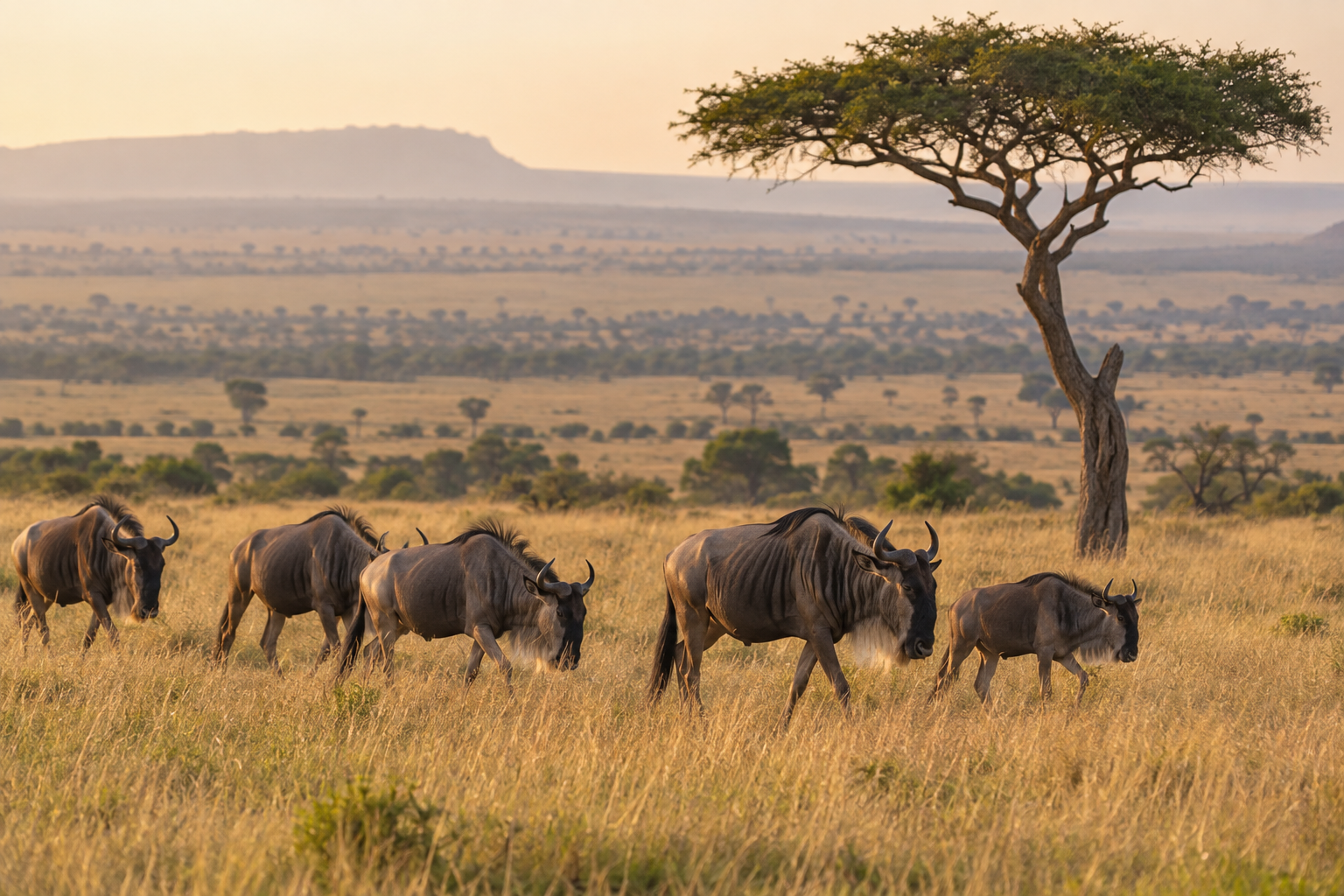
Kenya safari packages range from budget camping trips to luxury lodge stays.
Nairobi serves as the departure point for nearly all safaris. Peak season runs June through October during the Great Migration, when wildlife viewing in Masai Mara reaches its height. Shoulder months like April, May and November deliver lower rates and fewer tour groups, though some roads become difficult after heavy rain.
Package inclusions vary widely. Budget options typically cover park fees, transport in shared safari vans, and basic campsite accommodation. Mid-range and luxury safaris add private 4x4 vehicles, lodge stays, guided game drives at dawn and dusk, and meals prepared by camp chefs.
What Kenya safari packages include—and which option suits you
Most Kenya safari packages bundle transport, park fees, accommodation, and meals into a single price. A three-day Masai Mara tour typically covers 4×4 game drives, two nights in a tented camp or lodge, and entry to the reserve—expect to pay $450–$800 per person depending on season and group size. Budget safaris use shared vehicles and basic campsites; mid-range options add ensuite tents and guided walking safaris; luxury packages include private conservancies, bush dinners, and hot-air balloon rides over the Mara at dawn.
Multi-park itineraries combine destinations: a popular seven-day route links Amboseli (elephant herds with Kilimanjaro views), Lake Nakuru (flamingos and rhino sanctuary), and Masai Mara. Tours starting from Nairobi handle logistics—permits, transfers, and wildlife-expert guides—so you focus on photography and game viewing. If you're coordinating a safari remotely, reliable internet matters: consider unlimited data eSIM options for real-time booking confirmations and map access across national parks.
Private, group, fly-in and self-drive safari packages compared
Private safaris give you a dedicated vehicle and guide, with flexibility to adjust timing and stops. Expect to pay $400–$700 per person daily for mid-range lodges in Masai Mara or Amboseli, rising to $1,200+ for luxury camps. Most operators require a minimum of two travellers to make the economics work.
Group safaris share the vehicle and costs across six to eight passengers, bringing the daily rate down to $200–$350 per person. Itineraries are fixed, and you'll follow a set departure schedule—typically twice weekly from Nairobi. Wildlife viewing is identical; you sacrifice schedule control for lower cost.
Fly-in packages replace long drives with light-aircraft transfers between national parks. A seven-day Masai Mara and Amboseli fly-in tour runs $3,500–$5,500 per person, but you gain three extra days of game drives by cutting overland transit to under an hour each leg.
Self-drive safaris rent you a 4x4 and let you navigate the parks independently. Daily vehicle hire is $80–$150; park entry and accommodation are separate. Most suitable for experienced travellers comfortable with gravel roads and basic navigation.
How much does a safari cost in Kenya? Price comparison table
Expect to pay between $200 and $800 per person per day depending on season, accommodation standard, and group size. Budget camping safaris in Amboseli or Masai Mara start around $200–$250 daily, mid-range lodge packages run $350–$500, and luxury tented camps with private guides reach $600–$800 or more during peak months (July–October, January–February).
Package type | Daily cost per person | What's included |
|---|---|---|
Budget group safari | $200–$280 | Camping or basic banda, shared vehicle, park fees |
Mid-range lodge tour | $350–$500 | En-suite room, full board, game drives, transfers from Nairobi |
Luxury private safari | $600–$800+ | Tented suite, dedicated guide, laundry, beverages, conservancy fees |
Fly-in safari (remote parks) | $700–$1,200+ | Charter flights, all-inclusive stays, limited group size |
Three- to five-day itineraries covering two or three national parks are the most common. Longer safaris dilute the per-day cost but require more leave and a higher total outlay.
Sample 3-, 5-, 7- and 10-day itineraries, including Masai Mara costs
A 3-day Masai Mara fly-in safari from Nairobi starts at $950 per person, covering flights, two game drives daily, and full-board accommodation in a tented camp. Most operators include park fees of $80 per day.
A 5-day Amboseli and Masai Mara tour costs between $1,400 and $1,850. You'll spend two nights in each park with road transfers, wildlife drives at sunrise and late afternoon, and mid-range lodges. Amboseli's elephant herds and Kilimanjaro views make this Kenya's most popular combination.
For 7 days, add Lake Nakuru or Tsavo East. Expect $2,200–$2,900 including all national park entry, a private 4x4, and lodges inside or near the reserves. Group safaris in the same itinerary drop the price to $1,600–$2,000.
A 10-day circuit covering Amboseli, Masai Mara, Lake Naivasha and Samburu runs $3,500–$4,800. Luxury tented camps with game drives led by expert guides push the upper range; budget camping safaris start near $2,400.
Best safari destinations: Masai Mara, Amboseli, Lake Nakuru and Tsavo
The Masai Mara National Reserve anchors most Kenya safari itineraries. August through October brings the wildebeest migration—over 1.5 million animals crossing the Mara River—and prices peak accordingly. Three-hour drives from Nairobi reach Amboseli National Park, where elephant herds gather against Mount Kilimanjaro's backdrop. Game drives here consistently yield large tusker sightings within 392 square kilometres of wetland and savannah.
The Masai Mara is a cornerstone of many Kenya safari itineraries, especially during migration season.
Lake Nakuru National Park, 160 kilometres northwest of Nairobi, holds rhino populations and seasonal flamingo flocks on alkaline shallows. Tsavo East and Tsavo West together form Kenya's largest protected area at 22,000 square kilometres. Red-earth plains in Tsavo East contrast with volcanic hills and Mzima Springs in the west. Most tour operators combine two or three parks across five to seven days, balancing wildlife density in smaller reserves like Nakuru with the scale and predator activity of Tsavo and the Mara.
Best time for a Kenya safari by weather, wildlife and budget
Kenya's dry seasons—June to October and January to February—deliver the best wildlife viewing. Animals concentrate around waterholes, grass is short, and roads stay passable. July through September brings the Masai Mara wildebeest migration, when over 1.5 million animals cross from Tanzania. Expect peak prices during these months, especially in the Mara.
The short rains (November) and long rains (March to May) cut safari costs by 20–40%. Lodges drop rates and parks feel empty, but afternoon storms can turn Amboseli's clay roads to mud and reduce game drives to half-days. Birdlife peaks during the wet months, and Tsavo's landscapes turn green.
Book Nairobi accommodation and tours at least three months ahead for July–September. For budget safaris outside migration season, April and November offer the steepest discounts with fewer crowds across all national parks.
How the Masai Mara 12-hour ticket rule affects your package
The Masai Mara National Reserve enforces a strict 12-hour entry window: if you enter at 7 a.m., you must exit by 7 p.m. the same day. Overstay by even 30 minutes and you pay a full second day's park fee—currently $80 per adult for non-residents. Most Kenya safari packages build itineraries around this rule by scheduling two full days inside the reserve rather than risking late game drives that push into penalty hours.
Budget group tours often squeeze a single-day Mara visit into a 3-day Kenya safari itinerary, which means you spend roughly four hours actually viewing wildlife after subtracting travel time from Nairobi. Mid-range and luxury packages allocate at least two nights at lodges inside or adjacent to the reserve, giving you morning and afternoon drives across two separate 12-hour windows. If your package lists "Masai Mara" but only one overnight stop, confirm whether you get two full days of game drives or just one truncated visit—the difference shapes your entire safari experience.
Masai Mara vs Serengeti: Which safari is cheaper and better for you?
The Masai Mara in Kenya and Tanzania's Serengeti form one continuous ecosystem, but your choice affects cost, logistics and what you'll see. A 3-day Masai Mara safari from Nairobi starts around $450–$650 per person in a group package, with road transfer taking 5–6 hours. The equivalent Serengeti trip from Arusha costs $600–$900, often requiring a connecting flight from Nairobi that adds $150–$250 and half a day of travel.
Kenya's Masai Mara is smaller and easier to reach, making it better for short safaris or first-time visitors. The Serengeti is larger and more remote, suited to longer itineraries combining multiple parks. Both offer exceptional wildlife—wildebeest migration timing differs slightly, with river crossings peaking July–October in the Mara. If you're based in Nairobi and have limited days, the Masai Mara delivers better value and less time in transit.
Accommodation, transport and optional extras that affect the final price
Your accommodation tier is the single largest variable in any Kenya safari package. Budget tented camps outside Masai Mara start around $80 per person per night; mid-range lodges with en-suite facilities and game-drive access run $150–$250; luxury properties inside conservancies cost $400–$800. Transport adds $150–$200 daily for a private 4x4 with driver-guide, split across passengers. Group safaris share this cost, which is why six people pay far less per head than two.
Park fees are non-negotiable—Masai Mara charges $80 per adult per day, Amboseli $60, Tsavo $52—but optional extras stack quickly. A hot-air balloon flight over the Mara adds $450 per person. Cultural visits to Maasai villages cost $20–$30. Internal flights from Nairobi to the Mara run $180–$250 each way and cut 5–6 hours of road time. If you need reliable connectivity for booking confirmation emails or maps between parks, consider unlimited data eSIM options before you leave Nairobi.
How to choose a reliable Kenya safari operator and avoid hidden costs
Check whether the operator holds a valid Kenya Tourism Regulatory Authority licence—legitimate companies display their licence number on their website or provide it on request. Read reviews on SafariBookings and TripAdvisor, filtering for recent trips that match your planned itinerary. Operators with consistent feedback across Masai Mara, Amboseli and Tsavo safaris are safer bets than those with patchy records.
Request a written quote that itemises park fees, accommodation, transport and meals. Masai Mara conservancy fees, for example, run around USD 100 per adult per day and should appear as a separate line. Ask whether the price covers all game drives or charges extra for early-morning starts. Confirm fuel surcharges, tipping guidelines and any single-supplement fees before you pay the deposit.
Verify the vehicle type and seating arrangement—some budget group tours pack seven clients into a Land Cruiser built for five. If the operator lists national parks you plan to visit, cross-check current entry fees on the Kenya Wildlife Service portal to spot inflated margins.
Planning arrivals, packing, safety and connectivity from Nairobi
Most Kenya safari packages start in Nairobi, where Jomo Kenyatta International Airport receives direct flights from Europe, the Middle East and East Africa. Operators collect you from the airport or your hotel; confirm pick-up timing when you book, especially for early departures to Masai Mara or Amboseli.
Pack neutral clothing in beige, khaki or olive—wildlife responds to movement rather than colour, but bright fabrics stand out in photos. Bring a fleece or light jacket for dawn game drives, which drop to 10–15°C even during warm months. Sunscreen, a wide-brimmed hat and binoculars are essentials; most lodges supply mosquito nets, though antimalarial prophylaxis is recommended for all national parks.
Kenya is generally safe for tourists, but keep valuables in your lodge safe and travel only with registered operators. Cellular coverage reaches major parks including Masai Mara and Amboseli; an eSIM with unlimited data lets you share photos, check wildlife sightings and navigate without swapping SIM cards at the airport.
Frequently asked questions about Kenya safari packages
How many days do I need for a Kenya safari?
Three days covers one park—typically Masai Mara or Amboseli—with two full game drives. Five days lets you combine two destinations, such as Masai Mara and Lake Nakuru. Seven to ten days adds Tsavo, the coast, or fly-in segments and delivers the best wildlife variety without constant travel.
Can I book a safari directly from Nairobi?
Yes. Most operators pick up from Nairobi hotels or the airport. Group safaris to Masai Mara leave daily; private tours depart on your chosen date. Confirm departure time and whether the first day includes a game drive or only transfer.
Do I need mobile data during a safari?
Parks have limited or no cellular coverage, but data is useful in Nairobi, at lodges with Wi-Fi, and for sharing photos between drives. An eSIM with unlimited data activates before you land and works across operators without a physical SIM swap.
What happens if I arrive late to Masai Mara under the 12-hour rule?
The park counts entry from your gate timestamp. Arriving after midday costs you evening and next-morning drives within a single 12-hour window, cutting your time in half. Tour operators schedule departures from Nairobi by 06:00 to maximise the afternoon drive.

Kenya eSIM from $4.99 — Safari eSIM
Unlimited data on Safaricom. Built for safari travelers.
Get Safari eSIM