20 Best Things to Do in Kenya
The best things to do in Kenya include watching the Great Migration in the Maasai Mara, hiking Mount Kenya, exploring Nairobi and relaxing on the Indian Ocean coast. This guide covers 20 memorable wildlife, cultural, city and outdoor experiences.
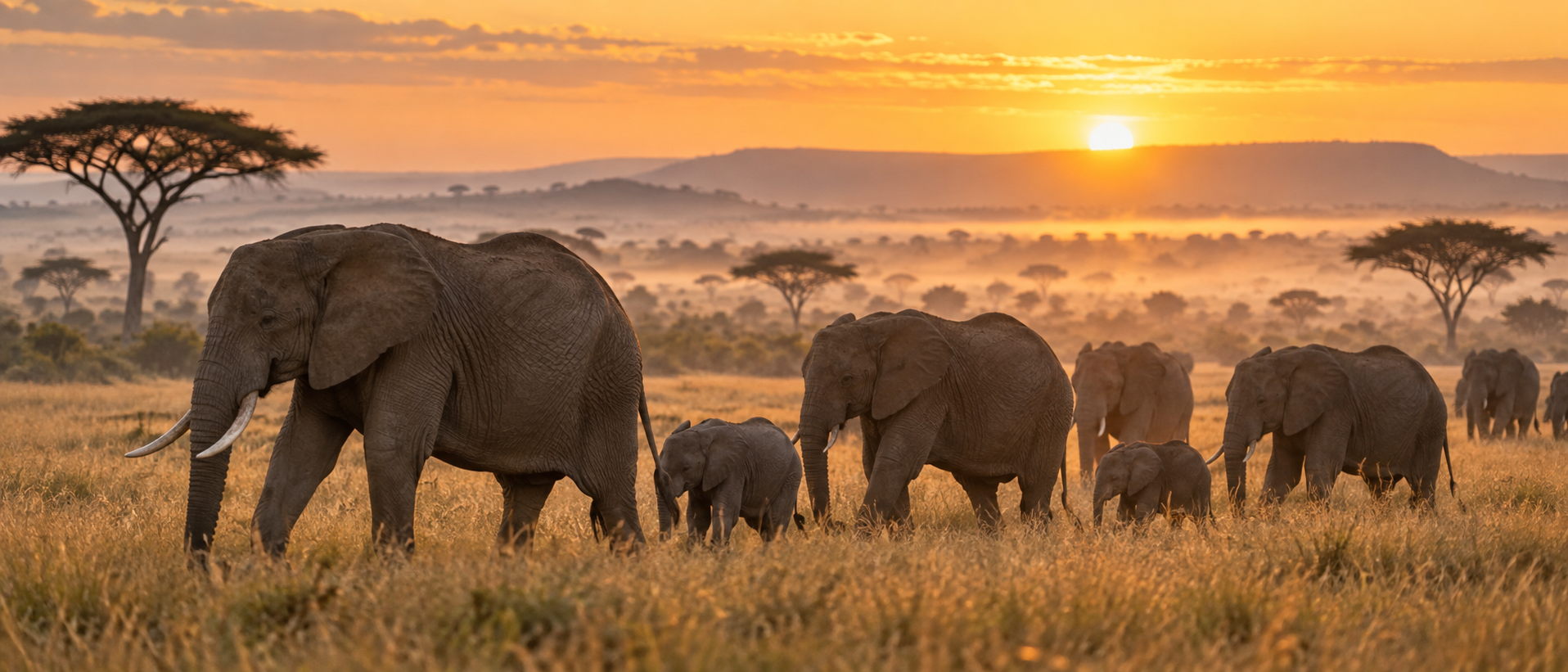
A safari in the Maasai Mara is one of Kenya’s defining experiences.
Go on safari in Amboseli National Park beneath Mount Kilimanjaro, see rhinos at Lake Nakuru, cycle through Hell’s Gate or visit Nairobi National Park—one of the world’s few major wildlife parks beside a capital city. For history and culture, explore Fort Jesus, Lamu Old Town, Nairobi National Museum and local Maasai communities.
Plan around Kenya’s seasons, park rules and travel distances using official information from kws.go.ke and museums.or.ke. Before your trip, visit esimkenya.com to arrange mobile data for navigation, bookings and event updates across Kenya. Whether you want Africa’s iconic wildlife, mountain adventure or Swahili coast experiences, these ideas will help you build a practical itinerary.
Top 10 Kenya experiences for first-time visitors
From Nairobi city breaks to Indian Ocean beaches, these highlights capture Kenya’s wildlife, landscapes and culture:
Maasai Mara safari: See big cats and, season permitting, the Great Migration wildlife event.
Nairobi National Park: Spot lions and rhinos within easy reach of the capital.
Amboseli National Park: Photograph elephants beneath Mount Kilimanjaro.
Lake Nakuru: Look for rhinos, giraffes and seasonal flocks of flamingos.
Samburu: Encounter northern Kenya species such as Grevy’s zebra and gerenuk.
Mount Kenya: Hike Africa’s second-highest mountain; review recognised routes through Kenya Wildlife Service.
Hell’s Gate: Cycle or walk through a dramatic Rift Valley park.
Diani Beach: Swim, snorkel and relax on the south coast.
Lamu Old Town: Explore one of the world’s best-preserved Swahili settlements, listed by UNESCO.
Nairobi food and culture: Visit museums, markets and restaurants.
For maps and bookings on the move, arrange an eSIM for Kenya before travelling.
Safari adventures in the Maasai Mara and Kenya’s national parks
The Maasai Mara offers one of Africa’s best wildlife experiences. Game drives may reveal lions, elephants, cheetahs and leopards, while the Great Migration usually reaches the Mara between July and October; river crossings depend on rainfall and herd movements.
Maasai Mara: Choose dawn and late-afternoon drives, when wildlife is most active. Conservancies bordering the reserve often offer guided walks and night drives.
Amboseli National Park: Known for large elephant herds and, on clear mornings, views of Mount Kilimanjaro.
Tsavo East and Tsavo West: Combine vast landscapes, red-dust elephants, Mzima Springs and fewer vehicles than the Mara.
Lake Nakuru National Park: A practical stop for rhino sightings and seasonal birdlife.
Nairobi National Park: The closest safari option to the city, with lions, giraffes and rhinos against Nairobi’s skyline.
Check official park notices and entry requirements through the Kenya Wildlife Service. For navigation and bookings away from Wi-Fi, review this eSIM Kenya connectivity guide.
Unmissable things to do in Nairobi: wildlife centres and museums
Kenya’s capital combines wildlife encounters with some of East Africa’s most important cultural collections. For an efficient Nairobi day out, group these attractions by neighbourhood:
Giraffe Centre: Meet endangered Rothschild’s giraffes from an elevated feeding platform and learn about the centre’s breeding programme.
Sheldrick Wildlife Trust Nursery: Watch rescued orphaned elephants during the scheduled public viewing. Advance booking is essential.
Nairobi National Museum: Explore Kenya’s archaeology, natural history, art and human evolution exhibits in one place.
Karen Blixen Museum: Visit the former home of the Out of Africa author, with original furnishings and views towards the Ngong Hills.
The Giraffe Centre, elephant nursery and Karen Blixen Museum fit naturally into one Karen-area itinerary. International visitors can use an eSIM Kenya roaming and data guide to arrange navigation and rides around the city.
Best coastal activities in Mombasa, Diani, Watamu and Lamu
Kenya's 536-kilometre Indian Ocean coastline offers warm water year-round and a mix of Arabic, Swahili and colonial Portuguese heritage that sets it apart from inland safari destinations. Mombasa's Old Town preserves narrow streets and carved wooden doors dating to the 16th century, while Fort Jesus—built by the Portuguese in 1593—overlooks the harbour and now operates as a museum. The city's beaches stretch north to Nyali and south to Diani, where shallow reefs bring snorkellers within two metres of green turtles and parrotfish.
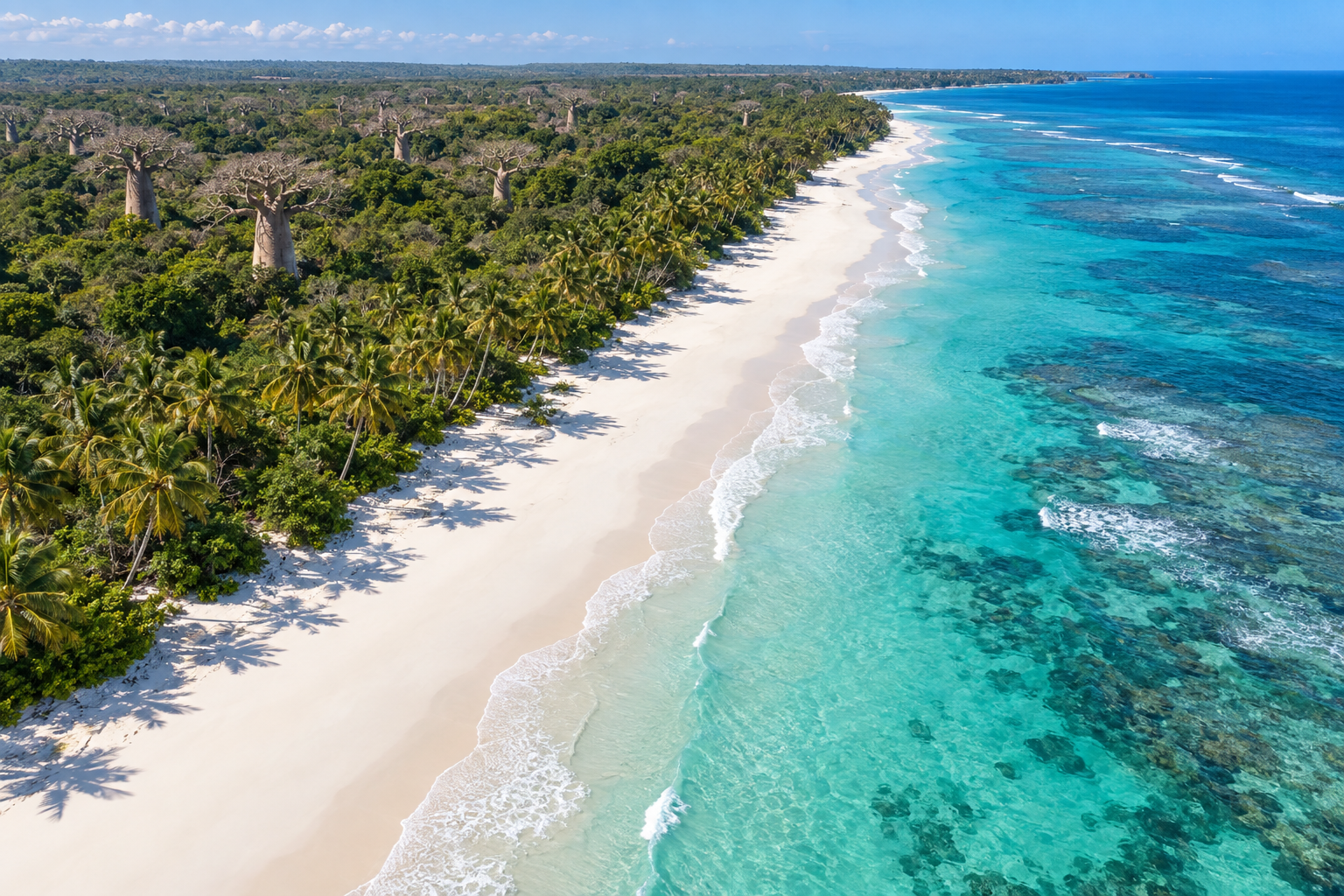
Kenya’s coast pairs white-sand beaches with warm Indian Ocean waters.
Diani Beach consistently ranks among Africa's cleanest white-sand beaches, backed by baobab forest and the Colobus Conservation sanctuary protecting endangered Angolan colobus monkeys. Further north, Watamu Marine National Park protects coral gardens and nesting sites for hawksbill turtles; glass-bottom boat tours run daily from Watamu village. Lamu Island—a UNESCO World Heritage site with no cars—offers dhow sailing trips to nearby Manda Island and Kiwayu's mangrove channels. Staying connected along the coast is straightforward with eSIM data plans that work the moment you arrive in Kenya.
Outdoor adventures: Mount Kenya, Rift Valley lakes and scenic hikes
Mount Kenya's twin peaks—Batian (5,199 m) and Nelion (5,188 m)—demand technical climbing gear, but Point Lenana (4,985 m) welcomes trekkers on the popular Sirimon-Chogoria route over four to five days. You'll cross alpine moorland, scramble past tarns, and watch sunrise from Africa's second-highest summit. Book with Kenya Wildlife Service-registered operators between January and February or July through September when skies stay clear.
The Rift Valley's chain of soda lakes draws two million lesser flamingos to Lake Bogoria and Lake Nakuru each year. Hike the escarpment trails above Lake Naivasha for colobus monkeys and fish eagles, or tackle Hell's Gate National Park's 7 km gorge walk past geothermal vents and Fischer's Tower. Karura Forest in Nairobi offers 50 km of trails, waterfalls, and caves fifteen minutes from the city centre—ideal for trail running or family walks. Staying connected on remote trails is simple with an eSIM that activates before you leave Nairobi.
Cultural and food experiences that support local communities
Kenya's cultural heart beats strongest in its villages and markets, where you can eat, learn and shop alongside locals. In Nairobi, the Jikoni cooking class teaches you to prepare ugali, sukuma wiki and nyama choma using ingredients from Maasai Market, then sit down to share the meal with your hosts. The Bomas of Kenya cultural centre on Langata Road stages daily performances of traditional dance and music from Kenya's 42 ethnic groups—arrive for the 2:30 PM or 3:30 PM show.
Around Naivasha and Nakuru, community-run conservancies like Kiambeteni Farm offer farm-to-table lunches prepared by local women's groups, with proceeds funding school fees and healthcare. On the coast, Lamu's Swahili cooking workshops teach you to grind coconut for pilau and biriani in century-old stone kitchens. Stay connected to share recipes and photos with an eSIM for Kenya that works the moment you land.
Sample 7-day, 10-day and 14-day Kenya itineraries with a trip map
A 7-day Kenya itinerary typically covers Nairobi (2 days), Maasai Mara (3 days) and Lake Nakuru or Amboseli (2 days), giving you wildlife encounters in three distinct ecosystems. Fly into Jomo Kenyatta International Airport, spend your first day at the Giraffe Centre and Karen Blixen Museum, then transfer to the Mara for morning and evening game drives. End at Amboseli for views of Mount Kilimanjaro across the border.
A 10-day trip adds the coast—Diani Beach or Lamu—for snorkelling, dhow sailing and Swahili culture. After your safari circuit, fly from Nairobi's Wilson Airport to Mombasa (1 hour) or catch the overnight SGR train for a more scenic route.
A 14-day adventure lets you explore the Rift Valley lakes (Naivasha, Bogoria), trek Mount Kenya's lower slopes, and spend three nights in Tsavo East or Samburu for red elephants and arid-landscape wildlife. Before you leave, grab an eSIM for Kenya so you have mobile data for maps, park bookings and ride-hailing apps from the moment you land.
Kenya travel costs: whether $100 is a lot and a realistic 7-day budget
One hundred US dollars goes a long way in Kenya. A mid-range hotel in Nairobi costs $40–70 per night, a hearty nyama choma meal with ugali runs $5–8, and a matatu ride across town is under $1. Budget travellers can stretch $100 across two or three days of accommodation, meals and local transport in the city.
Safari costs vary sharply. A week-long Maasai Mara package with full board, park fees and game drives typically starts at $1,200–1,500 per person in mid-range lodges. Independent travellers camping at public sites pay $20–30 per night in park fees plus vehicle hire. Coastal stays in Diani or Watamu average $50–90 per night for beach hotels, with snorkelling trips to marine parks costing $30–50.
A realistic seven-day budget for one person: $800–1,000 (budget backpacker), $1,500–2,000 (mid-range with one safari), or $3,000+ (luxury lodges and private guides). Staying connected with an eSIM for Kenya costs $5–15 for the week and saves you hunting for SIM cards at the airport.
When to visit Kenya: weather, safari seasons and East Africa Time
Kenya sits on the equator, so expect warm weather year-round with two rainy seasons: long rains from March to May and short rains in November. The best wildlife viewing happens during the dry months—July to October and January to February—when animals gather around water sources and the Great Migration crosses the Maasai Mara (typically July through September).
The country operates on East Africa Time (EAT), UTC+3, with no daylight saving changes. Nairobi's altitude (1,795 metres) keeps temperatures mild, averaging 10–26°C, while the coast stays warmer and more humid. June through October offers the driest conditions for hiking Mount Kenya and exploring the Rift Valley lakes.
Peak season (July–October and December–January) brings higher prices and crowded national parks. Shoulder months like June and early November deliver excellent safari conditions with fewer tourists. The green season (April–May) sees dramatic afternoon storms but lower rates and lush landscapes—though some remote parks become difficult to access. Stay connected during your trip with an eSIM for Kenya so you can check weather updates and park conditions in real time.
Planning essentials: entry rules, Kenya Airways flights, safety and official KWS, UNESCO and Magical Kenya resources
Most visitors receive a free 90-day visa on arrival at Jomo Kenyatta International Airport in Nairobi or Moi International Airport in Mombasa; confirm current requirements at etakenya.go.ke before you fly. Kenya Airways connects Nairobi to over 50 African and international cities, while low-cost carriers like Jambojet serve domestic routes between the capital, Mombasa, Kisumu and Malindi.
Book safari permits and check park fees through Kenya Wildlife Service, which manages all national parks and reserves. The official Magical Kenya site lists events, accommodation and tour operators across the country. UNESCO recognises seven Kenyan World Heritage Sites, including Lake Turkana's fossil beds and Lamu Old Town; view the full list at whc.unesco.org. For safety updates and travel advisories specific to Kenya, consult your government's foreign office or state department.
Staying connected during your trip is straightforward with an eSIM for Kenya, which activates before you land and avoids the queues at airport SIM counters.
Staying connected while travelling: Kenya eSIM plans and setup guides
Reliable mobile data transforms your Kenya trip—live mapping through Nairobi traffic, booking last-minute safari slots in the Maasai Mara, uploading wildlife photos from Amboseli, and video-calling home from Lamu's rooftops all depend on steady connectivity. Traditional SIM cards mean airport queues and shop hunts; an eSIM for Kenya activates before you board, often for less than roaming fees.
Kenya's major networks—Safaricom, Airtel and Telkom—cover cities, national parks and most coastal towns. Airalo's Kenya plans start at 1 GB for seven days; Holafly offers unlimited data options ideal for streaming guides or remote work between game drives. Once installed, configure APN settings (usually automatic) and you're online. Nairobi, Mombasa and major parks now enjoy 5G coverage, though 4G remains the backbone across most of the country.
Frequently asked questions about fun activities, trip length, bookings and getting around Kenya
How many days do I need in Kenya?
Seven days covers Nairobi and one national park; 10 days lets you combine a Maasai Mara safari with coastal beach time in Diani or Watamu; 14 days adds Mount Kenya hikes, Rift Valley lakes and cultural experiences in Lamu. First-time visitors typically allocate at least three full days for a Maasai Mara safari to maximise wildlife sightings.
Do I need to book safaris and parks in advance?
Yes. Kenya Wildlife Service manages park entry, but safari lodges and guided game drives in the Maasai Mara and Amboseli fill quickly during July–October and December–February. Book tented camps and tour operators two to three months ahead for peak season; conservancy fees and park gates accept M-Pesa or card payments.
How do I stay connected while exploring Kenya's parks and coast?
An eSIM for Kenya gives you data the moment you land in Nairobi, avoiding airport SIM queues. Safaricom and Airtel cover most highways and cities; expect patchy signal inside remote parks like Tsavo East. Download offline maps and your APN settings before departure to troubleshoot connectivity on the road.

Kenya eSIM from $4.99 — Safari eSIM
Unlimited data on Safaricom. Built for safari travelers.
Get Safari eSIM