Best Time to Visit Kenya: Safari, Weather and Crowds
Best Time to Visit Kenya: Safari, Weather and Crowds
Kenya's tourism sector welcomed over 2 million international arrivals in 2023, with July through September representing the highest visitation period coinciding with the Great Wildebeest Migration. The Kenya Wildlife Service reports that Maasai Mara sees nearly 40% of its annual visitors during these three months, pushing accommodation rates up by 60-80% and requiring reservations six months in advance. Travellers prioritising budget and solitude should consider the shoulder months of January, February, and November, when parks remain accessible but lodges offer 30-40% discounts and game drives encounter fewer vehicles.
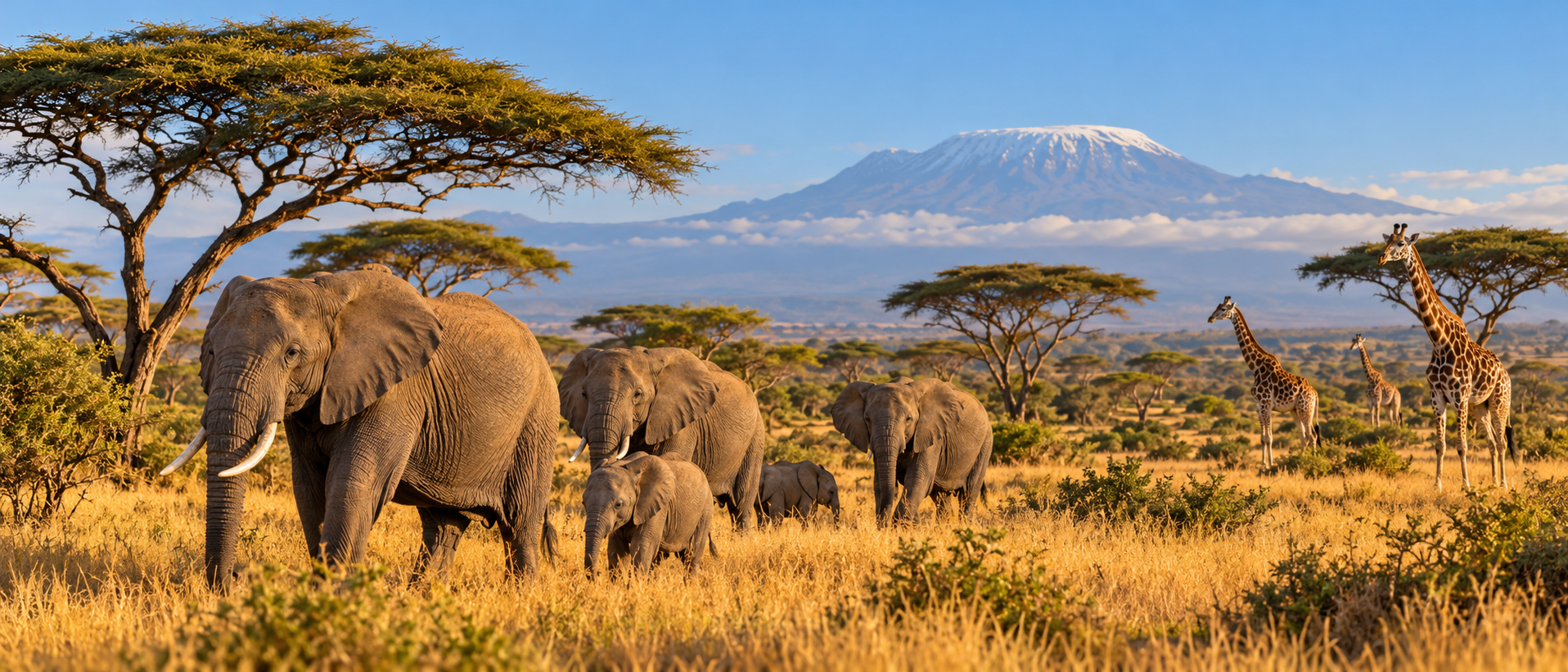
Kenya’s dry-season wildlife landscapes make July through September a particularly popular safari period.
Weather patterns vary dramatically by region and elevation. Coastal areas maintain warm temperatures year-round, while the highlands around Nairobi and the Aberdares drop to 10°C on winter nights. Before finalising your itinerary, review Kenya visa entry requirements and secure reliable connectivity with an eSIM for Kenya and Tanzania if your route spans both countries.
Kenya operates on a bimodal rainfall pattern with two distinct dry seasons and two wet periods each year. The long dry season runs from late June through October, while a shorter dry spell occurs from January to mid-March. These dry months bring minimal precipitation across most safari regions, with the Maasai Mara recording less than 50mm monthly and Amboseli often receiving under 30mm during peak dry periods, according to the Kenya Meteorological Department.
The long rains arrive between March and May, delivering 150–250mm monthly in central highlands and coastal areas. A shorter wet season from November through December produces lighter, more sporadic showers. Rainfall totals vary significantly by elevation and proximity to Lake Victoria, where western regions around Kisumu can receive double the precipitation of the arid north.
These seasonal shifts directly influence wildlife movement and vegetation cover. During dry months, animals concentrate around permanent water sources, making game viewing predictable and roads more accessible. The wet season transforms the landscape with lush greenery and triggers the wildebeest calving season in the southern Serengeti from January to February, though travelers planning cross-border itineraries covering Kenya and Tanzania should prepare for muddy tracks and occasional lodge closures in remote areas.
The dry season from July to October delivers the most reliable game viewing across Kenya's reserves and national parks. Sparse vegetation and concentrated water sources draw large herds to predictable locations, making the Masai Mara, Amboseli, and Tsavo especially productive during these months. The Great Migration peaks in the Mara from August through October, when over 1.5 million wildebeest and 200,000 zebra cross the Mara River in dramatic daily crossings.
January through March offers a second window of exceptional wildlife viewing, particularly in the north. Rainfall remains low, grass stays short, and predator activity intensifies as prey concentrations increase near permanent water. Elephant herds gather in large numbers at Amboseli's swamps, and flamingo populations at Lake Nakuru reach their highest densities. According to Kenya Wildlife Service, visitor numbers drop by approximately 40% compared to July-October, reducing vehicle congestion at sightings while maintaining excellent animal encounters.
November and December present a transitional period with short rains that green the landscape but rarely disrupt safari schedules. Game remains visible, lodges reduce rates by 15-30%, and the scenery becomes more photogenic. Birds arrive in breeding plumage, adding over 200 migratory species to Kenya's resident 800. Most parks stay accessible, though some conservancies may close specific tracks after heavy afternoon showers.
When Does the Great Wildebeest Migration Happen?
The Great Wildebeest Migration runs year-round in a circular pattern between Tanzania's Serengeti and Kenya's Maasai Mara, but the most dramatic river crossings occur in Kenya from July through October. Over 1.5 million wildebeest, accompanied by hundreds of thousands of zebras and gazelles, push north into the Mara during these months, creating one of the world's most spectacular wildlife events.
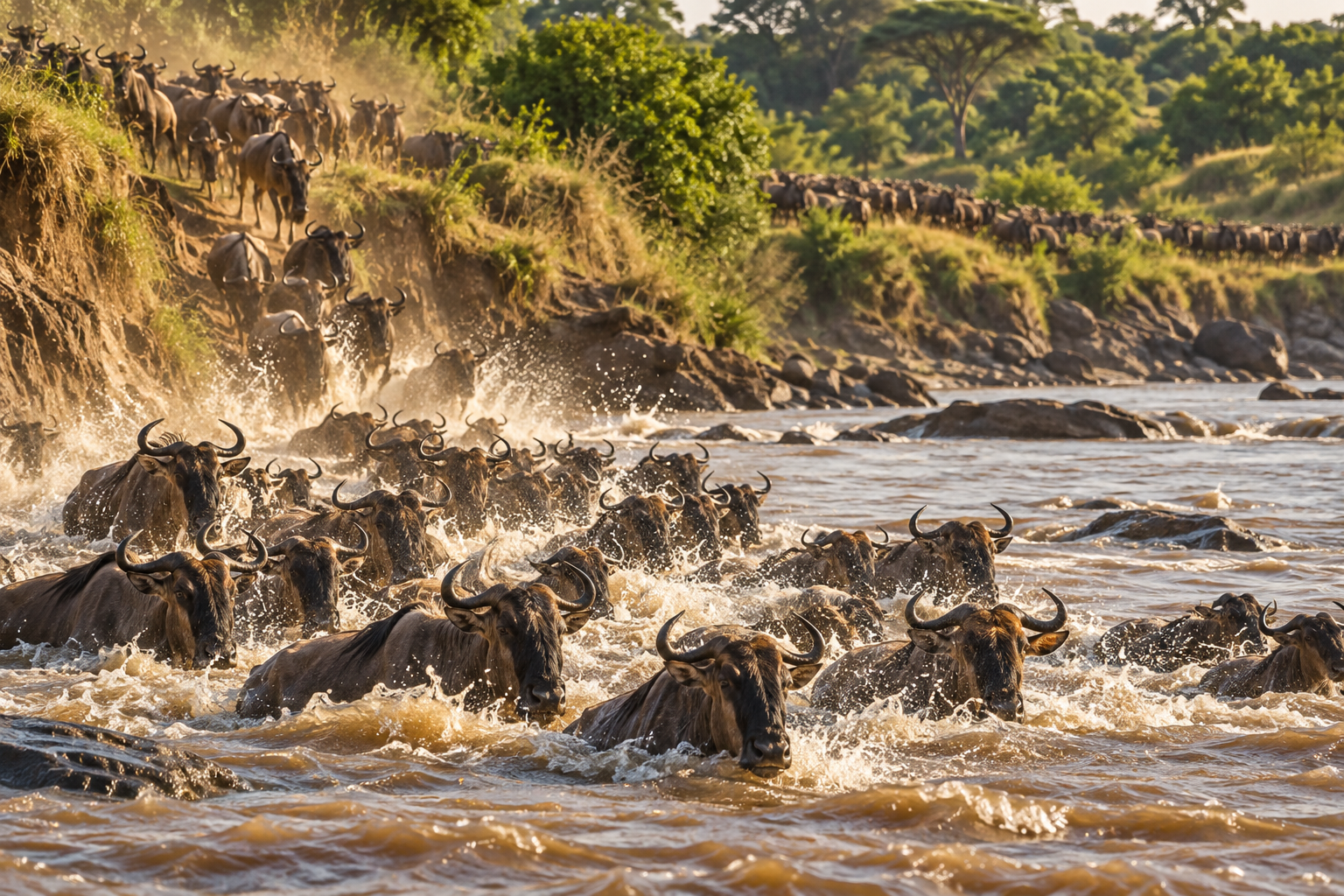
The Great Wildebeest Migration moves throughout the year, with dramatic river crossings drawing visitors to the Maasai Mara.
The timing shifts slightly each year depending on rainfall patterns tracked by the Kenya Meteorological Department, but peak crossings at the Mara and Talek rivers typically concentrate in August and September. Herds face Nile crocodiles during these crossings, and predator activity intensifies as lions, leopards, and cheetahs follow the migration route.
By late October and into November, most herds begin moving south toward Tanzania again as the short rains arrive. December marks the calving season in the southern Serengeti, when nearly 400,000 calves are born within a two- to three-week window. For those planning a safari around the migration, booking lodges near the Mara River crossings requires advance notice during the popular July-to-September window, and staying connected throughout your itinerary is simplified with coverage across Kenya and Tanzania.
Kenya's Indian Ocean coastline enjoys warm temperatures year-round, but the most comfortable beach months run from January to March and again from July to October. During these periods, humidity drops, skies clear, and ocean conditions remain calm. Water temperatures hover between 25°C and 28°C throughout the year, making swimming pleasant in any season.
The hottest and most humid stretch falls in February and March, when daytime temperatures along the coast reach 30°C to 32°C. Despite the heat, these months offer excellent visibility for snorkeling and diving, particularly around the marine parks near Malindi and Watamu. The long rains from April through early June bring heavy downpours that can disrupt travel plans, while the short rains in November are briefer and less predictable.
Diani Beach, Lamu, and Watamu see their peak visitor numbers in January, July, and August, when European winter and summer holidays drive demand. Shoulder months like September and early October deliver warm, dry weather with noticeably fewer crowds and lower accommodation rates. According to the Kenya Meteorological Department, coastal regions receive less than 50mm of rainfall during these windows, ensuring uninterrupted beach days and reliable sailing conditions.
What Are the Cheapest Months to Visit Kenya?
Kenya's low season runs from April to early June and again from November through mid-December, when accommodation rates drop by 20–40% compared to peak months. Lodges and camps in the Maasai Mara and Amboseli often offer substantial discounts during these periods, and flight prices from major hubs also fall. The trade-off is heavier rainfall, particularly in April and May, though showers are typically short and afternoon-based rather than all-day downpours.
Budget travellers who visit Kenya during the shoulder months of March and late June benefit from moderate pricing without the full brunt of the wet season. These windows deliver decent wildlife viewing—especially in national parks like Tsavo and Samburu—while avoiding the crowds and premium rates that accompany school holidays and the Great Migration spectacle.
Which Is the Best Month to Visit Kenya?
July stands out as the single best month for most visitors. It marks the peak of the Great Migration river crossings in the Maasai Mara, delivers consistently dry weather across the country, and offers excellent coastal conditions. While it commands top-tier pricing, the combination of dramatic wildlife action, clear skies, and comfortable temperatures justifies the premium for safari-focused itineraries.
What Is the Cheapest Time to Go to Kenya?
May represents the absolute cheapest window, with some lodges cutting rates by up to 50% to offset the long rains. Nairobi and the highlands receive the heaviest precipitation, but parks in the north and along the coast remain accessible. Visitors willing to pack waterproofs and adjust daily schedules around afternoon showers can secure exceptional value without sacrificing the core safari experience.
What Are the Hottest Months in Kenya?
February and March register the highest temperatures, particularly in low-lying regions such as the coast, Tsavo, and the northern frontier districts. Mombasa and Malindi routinely exceed 32°C, while the Rift Valley and highland areas around Nairobi stay milder due to elevation. This heat coincides with dry conditions, making it a good period for wildlife concentration around water sources, though midday game drives can feel oppressive without adequate shade and hydration.
Peak Season vs Low Season: What to Expect
Kenya's peak season runs from July to October and again from late December to March, coinciding with the dry months and the Great Migration river crossings. During these windows, lodges in the Masai Mara and Amboseli command premium rates—often 40–60% higher than low-season pricing—and advance bookings are essential. Parks fill with safari vehicles, and popular viewpoints can feel crowded, particularly around the Mara River. The upside: roads are passable, animals congregate around shrinking waterholes, and weather is reliably warm and dry.
Low season falls during the long rains in April and May, when tourism drops sharply. Accommodation discounts reach 30–50%, parks are nearly empty, and wildlife is harder to spot as animals disperse across lush vegetation. Roads in reserves like Tsavo and the Mara become challenging, and some seasonal camps close entirely. November and the short rains in late March offer a middle ground—lower rates, smaller crowds, and intermittent showers that rarely disrupt full-day game drives.
Travellers combining Kenya with northern Tanzania will find similar seasonal patterns: the Serengeti's best months mirror the Mara's, and April remains the quietest period across both countries. Peak months deliver predictable wildlife encounters but require early planning and higher budgets; low season suits flexible travellers willing to trade convenience for solitude and savings.
When Should You Avoid Visiting Masai Mara?
The April-May long rains transform the Mara into a muddy expanse where most lodges close and game drives become difficult or impossible. Heavy downpours turn murram roads into impassable tracks, stranding vehicles and forcing safari operators to cancel bookings. According to the Kenya Meteorological Department, the Mara receives 150–200mm monthly during this period, with rainfall peaking in April.
When to Avoid Masai Mara?
Avoid the Masai Mara from mid-April through May and again during the short rains in November. Visibility drops as tall grass obscures wildlife, making predator sightings rare. The wildebeest herds disperse across Tanzania's Serengeti during these months, leaving the Mara empty of its signature migration spectacle. Tourist numbers plummet—occupancy at Mara lodges falls below 30% in April and May compared to 85–95% during July–October peak season, per Kenya Wildlife Service data.
If your itinerary includes both reserves, consider staying connected with an eSIM covering Kenya and Tanzania to coordinate last-minute safari changes during unpredictable weather windows. March and early April offer lower crowds before conditions deteriorate, though afternoon showers become increasingly frequent as the long rains approach.
February and March are the hottest months across most of Kenya, with daytime temperatures reaching 27°C in Nairobi's highlands and climbing to 32°C in lower-altitude regions such as the coast and northern safari parks. These months fall between the short rains and the long rains, creating warm, dry conditions ideal for exploring Kenya's national parks before the April downpours arrive.
July stands as the coolest month throughout the country, with temperatures dropping to around 13°C at night in Nairobi and the central highlands. Daytime highs remain comfortable at 21–23°C in elevated safari destinations like the Masai Mara, while coastal areas maintain warmer temperatures of 28°C. The cool season extends from June through August, coinciding with the peak wildlife viewing period when thousands of visitors travel to Africa for the Great Migration.
Temperature variations depend heavily on altitude rather than latitude. Nairobi sits at 1,795 metres and rarely exceeds 27°C even in the hottest months, while low-lying Mombasa on the coast averages 30–32°C year-round. Safari lodges in the Rift Valley and around Mount Kenya experience the sharpest temperature swings, with warm afternoons giving way to chilly evenings that require layered clothing throughout the year.
January–February: Hot and dry across most national parks, with excellent game viewing as animals gather at water sources. Peak season rates apply, and Amboseli and Tsavo are particularly rewarding. Coastal temperatures reach 30–32°C.
March–May: Long rains transform the landscape. April is the wettest month, with heavy downpours limiting safari access in some parks. Lodges offer significant discounts, and birdwatching peaks as migratory species arrive. The coast remains humid but passable.
June–September: Prime safari season. Dry conditions concentrate wildlife, and the Great Migration crosses the Mara River from July onward. Mornings are cool in highland parks (10–15°C), and booking well ahead is essential. Nairobi and the Rift Valley enjoy clear skies.
October: Short rains begin, though lighter than April's deluge. Game viewing remains strong, crowds thin, and rates drop slightly. Vegetation starts to green, improving photography conditions.
November–December: Short rains taper off by mid-December. Wildlife disperses as water becomes widely available, but newborn animals appear across reserves. December sees a holiday surge in bookings, particularly around Christmas and New Year.
Is there a bad time to visit Kenya?
April and early May see the heaviest rain, which can close dirt tracks in parks like Tsavo East and make some lodges inaccessible. Wildlife is harder to spot when water is plentiful across the savannah.

Kenya eSIM from $4.99 — Safari eSIM
Unlimited data on Safaricom. Built for safari travelers.
Get Safari eSIM